Rewa district employment officer Anil Dubey was in post for 15 years despite transfer rules, report said
Rules said no officer could remain in one post in a district for more than three years, but a report said District Employment Officer Anil Dubey had stayed in Rewa for 15 to 20 years. A Congress spokesperson criticised the government.
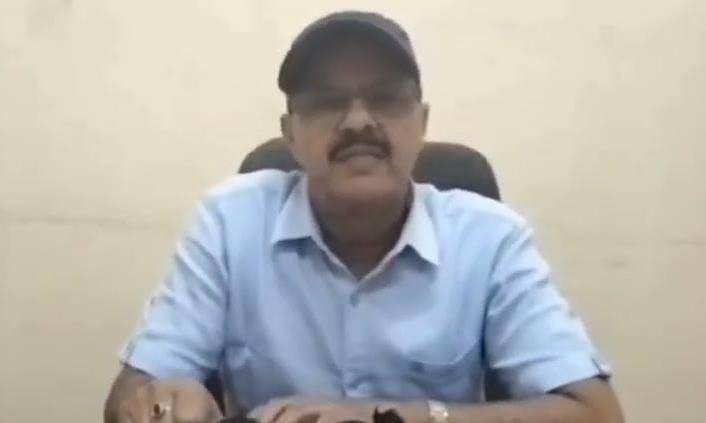
However strict the state government’s transfer policy may have been on paper, reality presented a completely different picture. The rules clearly said that no officer could remain in the same post in a district for more than three years. But the case of District Employment and Registration Officer Anil Dubey raised a big question mark over the reality of this policy.
Mr Dubey had been entrenched in Rewa district for roughly 15 to 20 years. Surprisingly, in all this time he had not only not been transferred, but had instead been given several additional charges, a mark of special favour.
Sources said Anil Dubey was originally posted in Rewa district as District Employment and Registration Officer, and then stayed on in the same post for years. Not only that, he was also given charge of schools under the Labour Department, the Social Justice Department and the Planning and Statistics Department. That is, one person carried the burden of many responsibilities at once, as if no other capable officer was left in the district.
Administrative experts said the case clearly flouted the transfer policy. A General Administration Department rule said an officer should be transferred once three years were complete. But this rule did not appear to have been applied to Mr Dubey. The question arose: what invisible forces had kept him in the district for years? Would Rewa’s administration come to a halt without him? Or did it raise a question about the whole system, that rules were only for ordinary officers and did not apply to some?
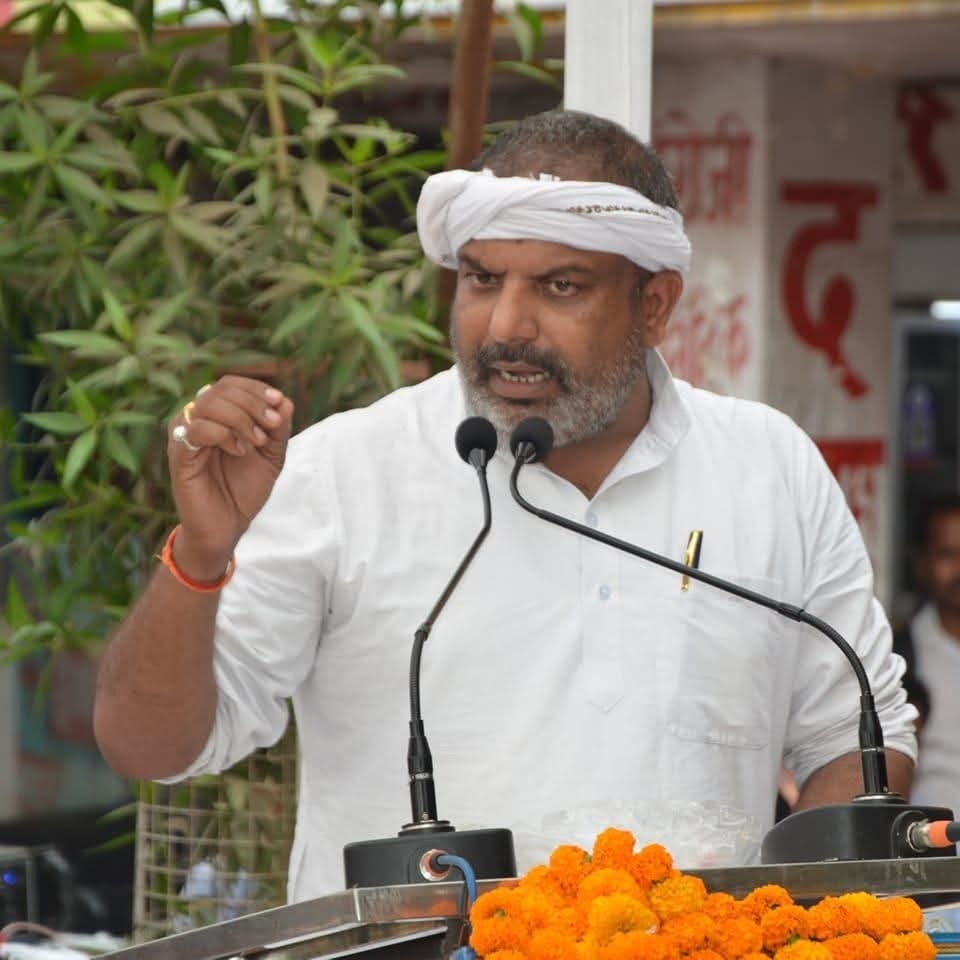
Congress spokesperson Vinod Sharma
Congress state spokesperson Vinod Sharma also took a dig at the matter. He said administrative rules and laws no longer mattered under the BJP government. Officers remained in posts for years and the government looked on with its eyes shut. If transfers were due after three years, he asked, why had they been kept for 15 years? He said this showed the government and administration were protecting certain officers.
Employee organisations said an officer staying in one district for so long was not only unfair to other officers but also cast doubt on the impartiality of the administrative system. This gave rise to the idea that officers’ postings were decided not by merit and rules but by connections and patronage.
There was also talk among the public that officers posted for long in one district took such deep roots in the local system that their impartiality became doubtful. That was why people joked that Mr Dubey’s retirement ceremony would also be held here in Rewa, and that he would leave the district only as a pensioner.
In fact, the matter was not just about one officer but held up a mirror to the entire administrative system. If the transfer policy was set aside in this way, the government’s claims of “transparent administration” would prove hollow. The question was also why senior officers were sitting with their eyes closed. Was assigning additional charges the only measure of an officer’s efficiency?
At that point, the case of District Employment and Registration Officer Anil Dubey put the system of governance in the dock. If rules were not followed, the message would go out that the administrative system had become a “special arrangement” for a few chosen officers.