Strong El Niño forecast raises heat-stress worry for rabi wheat as sowing season begins
The WMO expects El Niño to become very strong and last until February 2027, and a think tank warns that shrinking winters could expose wheat to heat during grain filling.

The World Meteorological Organization (WMO) has said the El Niño now under way in the Pacific is likely to grow into a very strong event and last through February 2027, a forecast that has sharpened concern about the winter wheat crop Indian farmers are about to sow. Celeste Saulo, the WMO secretary-general, said the organisation expected the impacts to increase as El Niño intensifies, Business Today reported on 4 September.
Drishti IAS, summarising the outlook, said Pacific sea-surface temperatures were projected to run more than 2 degrees Celsius above normal, which places the event in the WMO's highest category. Business Today added that the India Meteorological Department (IMD) also expects El Niño conditions to last until February 2027, and that the agency described August 2026 as the hottest August since 1901, with rainfall 16 per cent below normal.
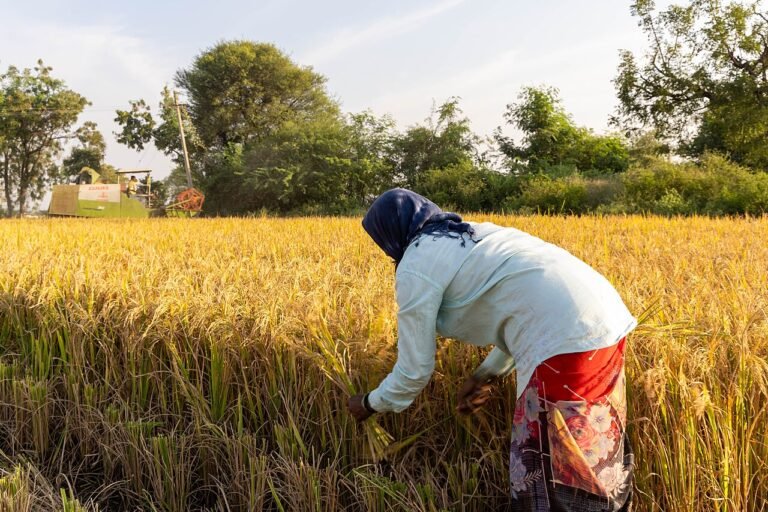
The specific worry for rabi crops comes from Climate Trends, a Delhi-based think tank, whose findings were cited by Business Today. It reported that winters in northern India are shortening, with February warming fastest at 0.69 degrees Celsius per decade, followed by April at 0.66 and March at 0.58. These months coincide with the reproductive and grain-filling stages of wheat, the study noted, raising the risk of terminal heat stress and already affecting output in major wheat-growing regions.
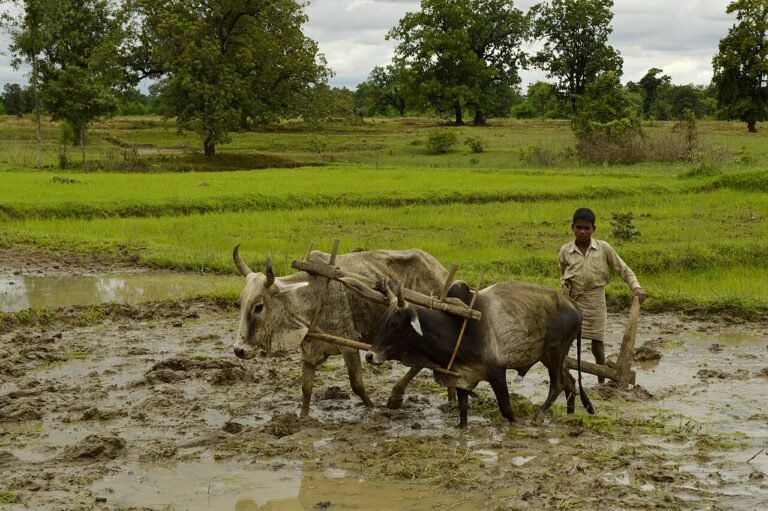
Sowing is about to begin. The Federal reported that wheat is usually sown from October and harvested from April, and that the target for the 2026-27 crop year is 121 million tonnes. The Cabinet has fixed the 2027-28 wheat support price at Rs 2,610 per quintal, but a support price is a purchase rate, not compensation for a smaller harvest.
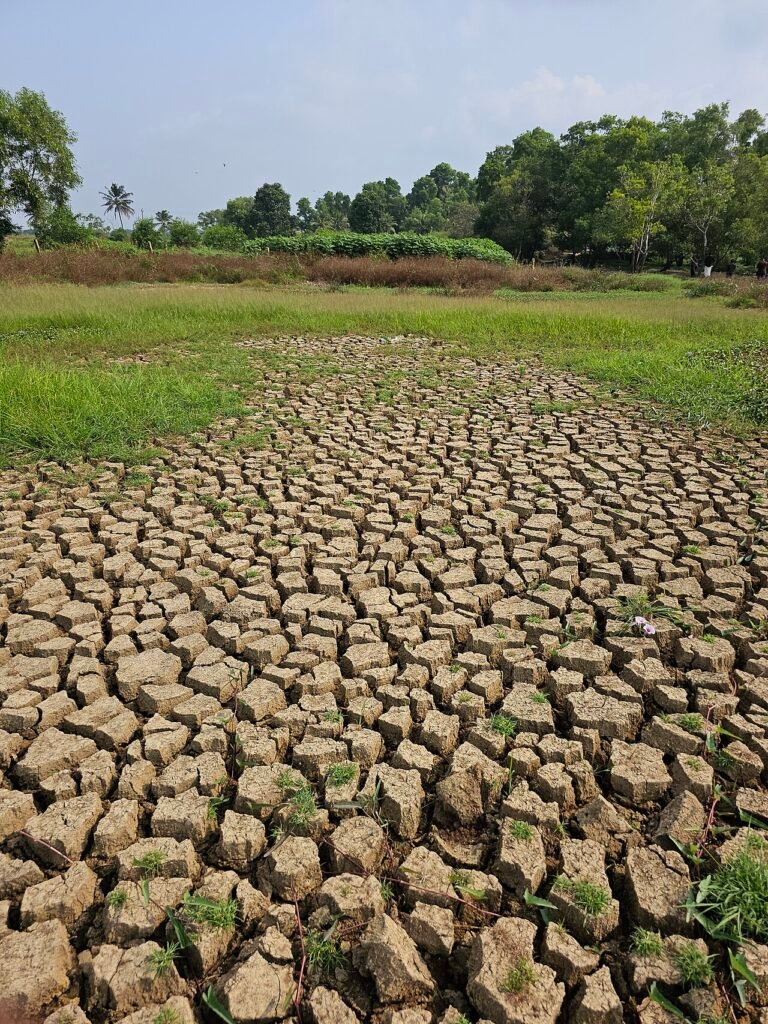
The forecasts carry caveats. Drishti IAS said a strong El Niño raises the probability of below-normal monsoon rainfall but the link is not uniform every year, and The Core cited the Ministry of Earth Sciences as noting that only seven of 16 El Niño years since 1950 had below-normal rain. The IMD's outlook for the northeast monsoon, issued in Chennai on 1 October, said strong El Niño conditions prevail, models indicate further strengthening through the end of 2026, and temperatures over most of south peninsular India are likely to stay above normal. The reports reviewed here contain no winter temperature forecast for Madhya Pradesh, and Business Today noted that the IMD had not yet issued its post-monsoon seasonal forecast when it was published.
Among measures the WMO suggested, as summarised by Drishti IAS, are early warning systems, better climate forecasting, drought-resistant crops and improved water management. In Madhya Pradesh, Dainik Jagran has reported that wheat and gram could come under pressure if groundwater is not adequately replenished after this year's weaker monsoon, which adds a moisture concern to the temperature one for the coming rabi season.