Madhya Pradesh Excise Department Moves to E-Bank Guarantees After Fake FDR Cases in Liquor Tenders
The excise department now relies on electronic bank guarantees for liquor shop tenders, following cases of fabricated deposit documents. The state’s 2026-27 excise policy also bars traditional bank guarantees and fixed deposits.
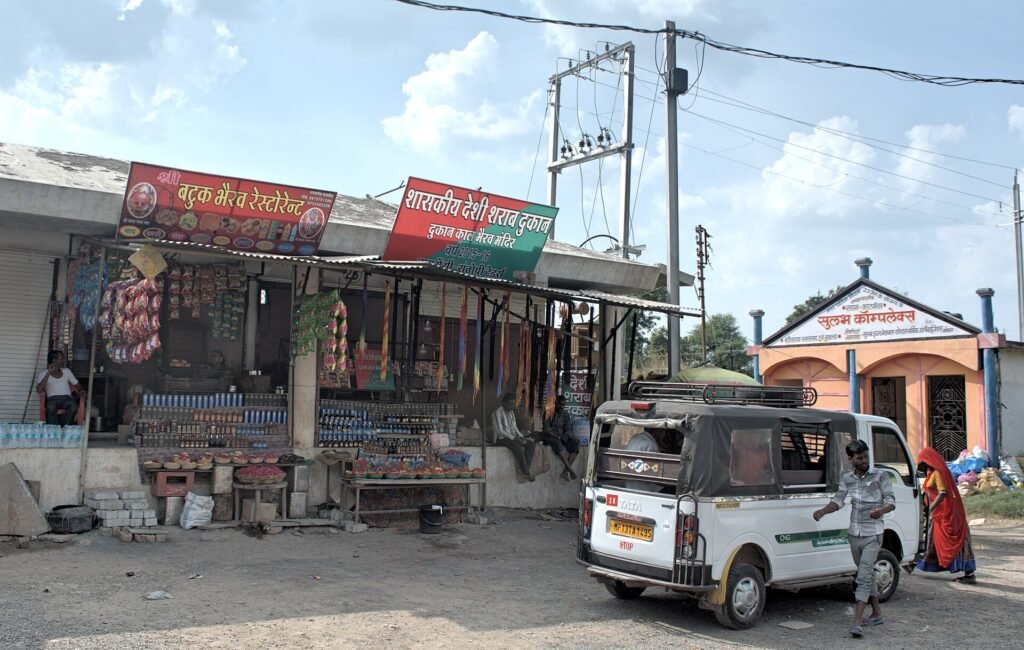
The Madhya Pradesh Excise Department has shifted to electronic bank guarantees for liquor shop tenders after fake or fabricated fixed deposit receipts were used to obtain licences, according to a report in the Free Press Journal published on 13 October. Excise Commissioner Deepak Saxena said the system prevents duplication of deposited amounts and helps the department avoid legal complications.
The newspaper reported that the state is the first in India to use e-bank guarantees for participation in liquor shop tenders and dated the change to the financial year 2025-26. The excise policy for 2026-27, approved by the state cabinet on 19 February and reported by IANS, also provides for the use of only electronic invoices and e-bank guarantees as security deposits. Traditional bank guarantees and fixed deposits are no longer permitted under that policy, which took effect on 1 April.
The same policy ended automatic renewals. According to IANS, all 3,553 existing liquor shops are to be allotted through e-tendering and e-auctions, with a reserve price set at the current year’s licence fee plus 20 per cent. Shops are to be grouped in clusters of up to five for bidding, and districts will arrange them in three to four groups for phased auctions. The policy states that no new liquor shops will be opened, and existing premises cannot be expanded or relocated.
The Free Press Journal linked the new requirement to a series of cases involving forged financial documents. It reported that an officer on special duty to the deputy chief minister was suspended for allowing a contractor to submit fake and fabricated bank guarantees worth Rs 2.76 crore in 2024-25. Cases against officials and contractors have been registered with the Economic Offences Wing and the Enforcement Directorate, the newspaper said.
It also recalled two earlier episodes. In 2025, the Enforcement Directorate raided liquor contractors in Indore, Bhopal and Mandsaur in a probe into a fake challan scam linked to fake treasury challans and illegal licences, with suspected government losses of more than Rs 49 crore. The agency seized Rs 7.44 crore in cash, froze Rs 71 lakh in bank accounts and sealed several lockers, according to the report. The newspaper also described a 2020 case in which contractors allegedly submitted fake FDRs worth more than Rs 56 crore over four years, with cases surfacing in Indore and Jabalpur.
The report alleged that many cheating cases go unreported because some excise officials are involved. That is the newspaper’s assertion; no official response to it was included, and the figures cited for earlier scams are as reported by the Free Press Journal and IANS and have not been independently verified here. What the e-bank guarantee system changes, in practical terms, is that deposits can be checked electronically against the issuing bank, which the commissioner said is meant to close the door on duplicate or forged documents.