Truck drivers alleged illegal extortion by Transport Department in Rewa
Local truck drivers in Rewa alleged they were forced to pay Rs 10,000 to Rs 60,000 to the RTO or have their trucks impounded. The allegations were unproven, and police said complaints were being investigated.
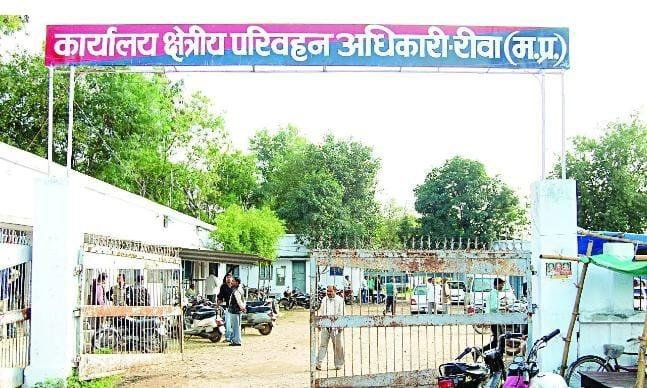
Sensational allegations of heavy illegal extortion from local truck drivers were levelled against the Transport Department (RTO) in Rewa district. Truck drivers alleged they were being forced to pay arbitrary amounts ranging from Rs 10,000 to Rs 60,000. If the money was not paid, they alleged, their vehicles were forcibly parked on the RTO office premises.
The matter became more serious because the Transport Department then functioned directly under the Rewa divisional office. This raised the question of whether the local administration was completely unaware of these acts or whether this was part of a planned conspiracy.
The Madhya Pradesh Transport Department operated under the state transport policy, the Madhya Pradesh Motor Vehicles Act, 1989, and the Centre’s Motor Vehicles Act, 1989. The rules clearly stated that a valid receipt must be issued for any collection. Moreover, harassing drivers unnecessarily and forcibly parking their vehicles on office premises was completely illegal.
According to local sources, Manish Tripathi’s network was playing an active role in the whole extortion affair. It was alleged that by setting up a checkpost on the highway on Rewa Ring Road, brokers Beta Pathak, Dilip Sharma and Vinod Shukla, together with private individuals, were collecting arbitrary toll.
One truck driver said: Our vehicle carried medicines needed for emergency services. Even so, it has been parked on the RTO office premises for the past 24 hours. They are demanding Rs 10,000 to Rs 60,000, but no valid receipt is being given.
Police station in-charge Vijay Singh Baghel said several truck drivers had filed complaints. He assured that the allegations would be investigated seriously and strict action taken against the guilty. But the question remained: if the Transport Department was then under the divisional commissioner, how was such corruption possible despite high-level oversight and transparency?
Experts said there were clear provisions in the rules to curb departmental corruption:
A valid receipt was mandatory for all collections.
Drivers’ permits, fitness and pollution checks had to be carried out transparently and only through the prescribed procedure.
Any arbitrary action was completely illegal, and punishment was provided under Section 113 of the Transport Act (provisions relating to corruption).
Even so, the case suggested that the administrative machinery in Rewa remained completely insensitive to the campaign against corruption. The public was asking what hidden forces were helping an official like Manish Tripathi continue this game of corruption.
While the campaign against corruption was gathering pace in the state under Chief Minister Dr Mohan Yadav, this alleged extortion racket in Rewa raised serious questions about the government’s credibility.