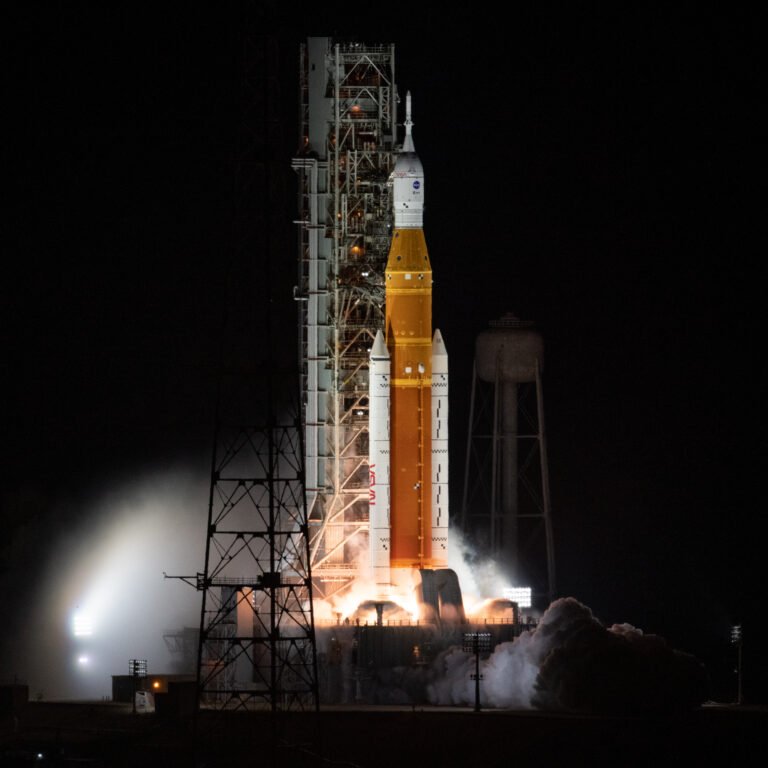
NASA Releases First Science Results From Artemis II Crew’s Moon Flyby
A preliminary report describes impact flashes, surface colours and a newly lit part of the far side seen by the four astronauts who flew around the Moon in April.
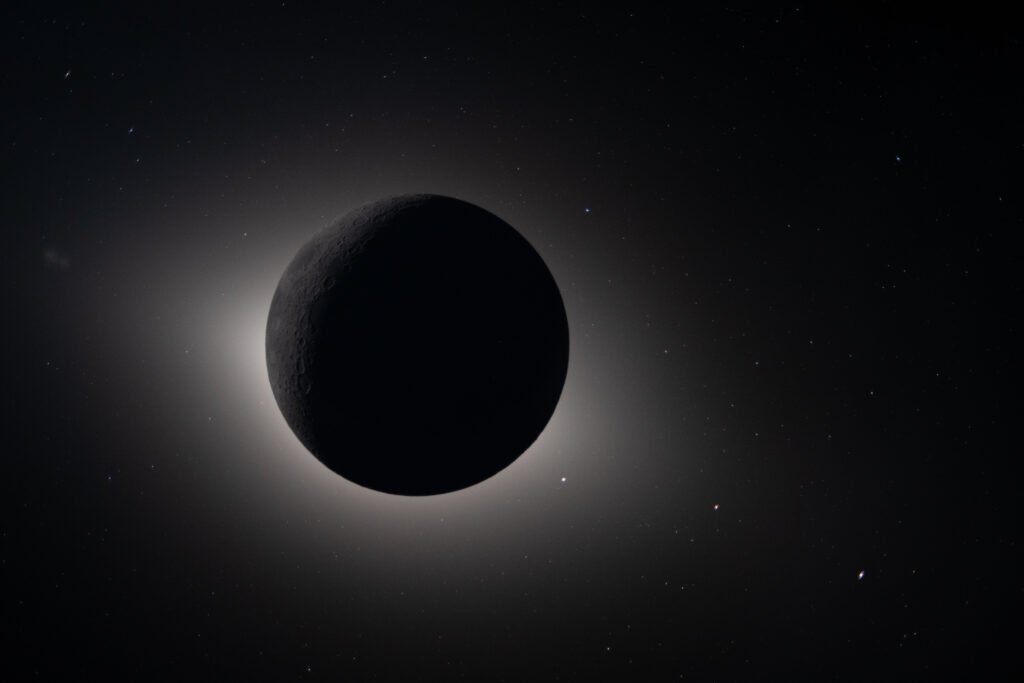
NASA has released the first scientific findings from the Artemis II mission, in which four astronauts flew around the Moon in April 2026. The agency presented initial results at a press conference on Wednesday, 7 October, according to Space.com, and a 130-page document called the Artemis II Preliminary Lunar Science Report was shared the same week, Live Science reported. The material draws on 814 gigabytes of photographs, video and audio from the Orion capsule.
Space.com said the first batch includes 996 new images and 521 minutes of crew audio that had not been heard before. The crew members are commander Reid Wiseman, pilot Victor Glover and mission specialists Christina Koch and Jeremy Hansen of the Canadian Space Agency. Live Science reported that they passed about 4,000 miles (6,400 kilometres) above the lunar surface for nearly seven hours on 6 April.
One finding concerns impact flashes. The crew saw five flashes on the Moon’s surface, produced by small rocks vaporising as they struck, and the science team confirmed that other sources did not cause them, Space.com reported. Because the flashes were too quick to photograph, the astronauts noted them on a tablet. Wiseman was quoted as saying, “It was definitely impact flashes on the moon.” Universe Magazine, summarising the report, said the objects were estimated to be a few centimetres across.
Colour was another focus. The crew described grey, brown, tan, white, green and blue tones. Live Science reported that over the Aristarchus Plateau, a region with many ancient volcanic features, the report’s authors suggested orange and green hues could be associated with titanium-rich and magnesium-rich glass beads, similar to volcanic glass collected during the Apollo 15 and 17 missions. Koch said the outer ring of the Orientale Basin showed “almost swamp-like colors.”
Space.com also reported that the crew saw a section of the far side of the Moon illuminated for the first time by human eyes, and that the boundary between day and night showed sharp shadows that revealed fine details of the terrain. Koch said of that boundary, “You can actually see mountains.” Universe Magazine added that the crew noticed an arc of light-coloured bands on the Ocean of Storms that analysis identified as a system of tectonic ridges about 600 kilometres long.
The reports note one limitation. Universe Magazine said the Orion cameras had not been calibrated for scientific measurements, so the astronauts’ spoken descriptions became the main source of colour data. Live Science said the findings may help in choosing future landing and exploration sites, and that the report argues trained human observers can interpret scenes in ways automated cameras or orbiters cannot. David Hollibaugh Baker of the lunar science team told the press conference that analysing the data now falls to the wider science community, Space.com said.