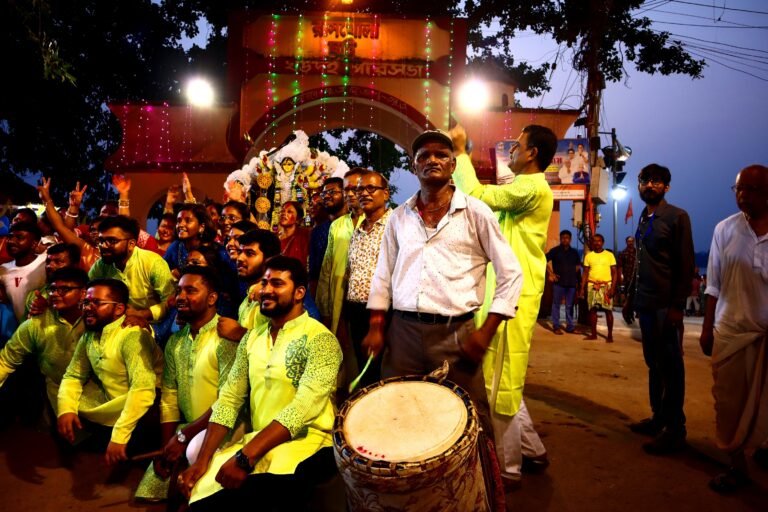
Maa Khandho Kalika Mai temple, Govindgarh: Shardiya Navratri 2025 was to begin in faith and tradition
A look at Govindgarh’s Maa Khandho Kalika Mai temple, established in 1850, and Rewa’s Kalika Mai temple at Rani Talab, with Shardiya Navratri 2025 dates, kalash sthapana timings and local traditions.
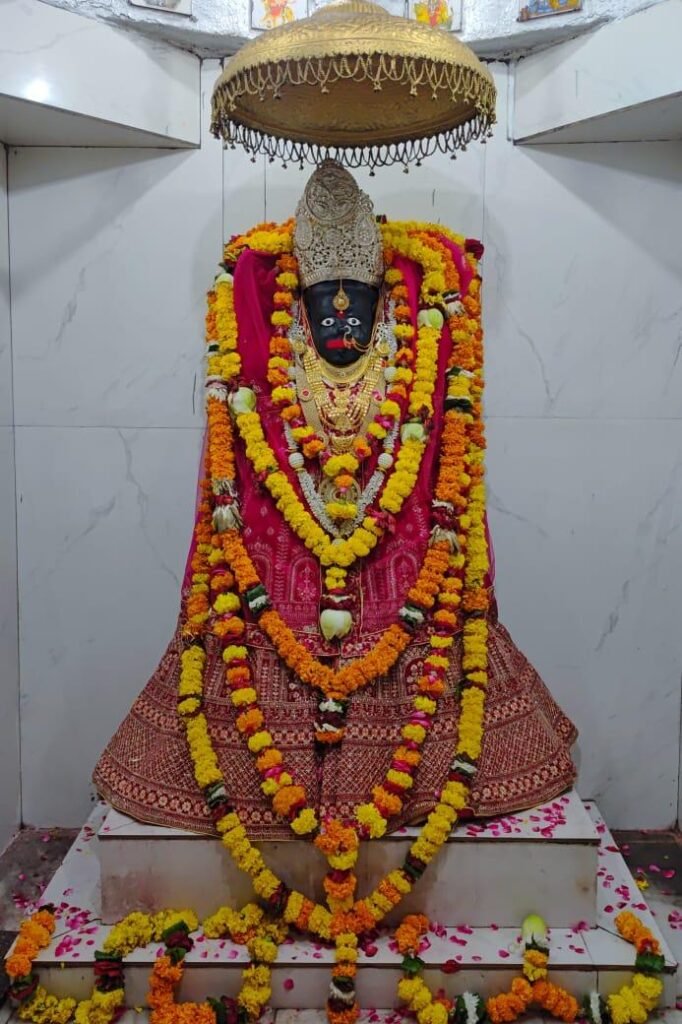
The land of Rewa and Govindgarh was rooted in religious traditions, cultural heritage and deep faith. Its temples, ponds and festivals were not only centres of worship but also the basis of social unity and folk culture. One of them was the Jagat Jagajanani Maa Khandho Kalika Mai temple in Govindgarh town, established in 1850 by Maharaj Vishwanath Pratap Singh.
The temple was important not only religiously but also for its historical and cultural traditions. Alongside it, the Kalika Mai temple at Rewa’s Rani Talab was also a symbol of the area’s identity and pride. Both temples became even more relevant during Shardiya Navratri, when tradition, faith and devotion came together.
History and establishment of Maa Khandho Kalika Mai
The Govindgarh temple was established in 1850. Princely-era history recorded that Maharaj Vishwanath Pratap Singh laid its foundation and made it a centre of faith in Vindhya.
The temple’s chief priest was Mahavir Panda, whose descendants were known as the Budholiya family. The family had served the Goddess for generations. The temple’s tradition had not been limited to rituals but had also been a centre of moral values and unity in society.
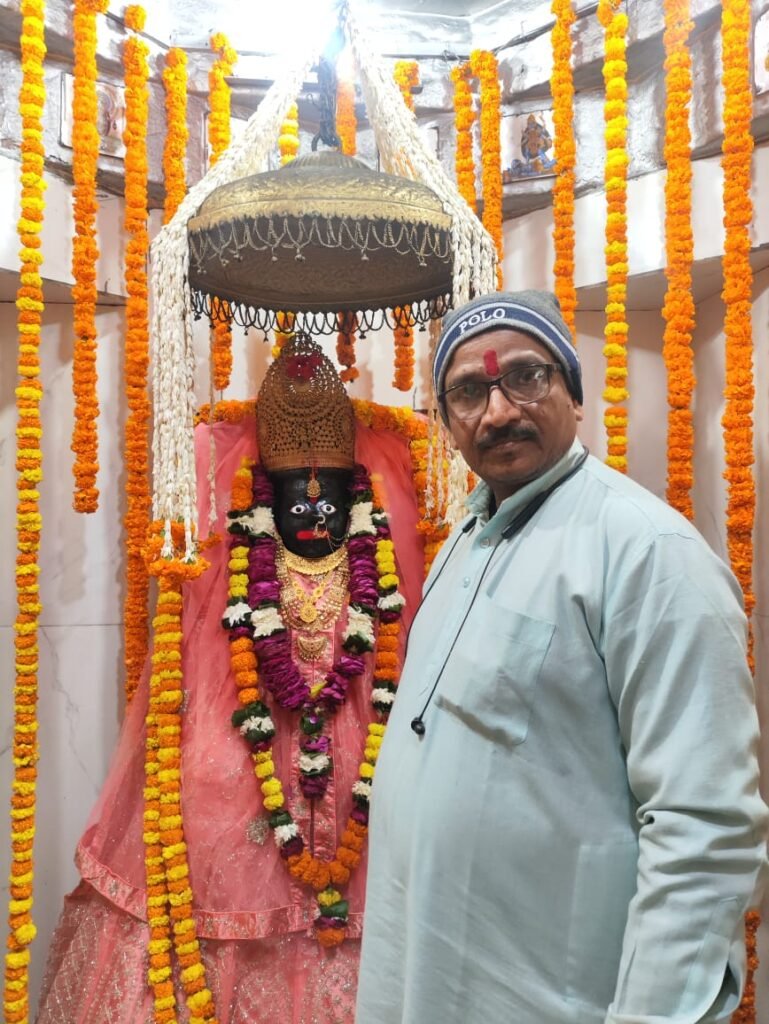
Chief priest Sanjay Budholiya said that serving and worshipping the Goddess was his family’s heritage, not merely a tradition but a life vow. Thousands came during Navratri to have darshan and receive the Goddess’s blessings.
Kalika Mai of Rewa’s Rani Talab
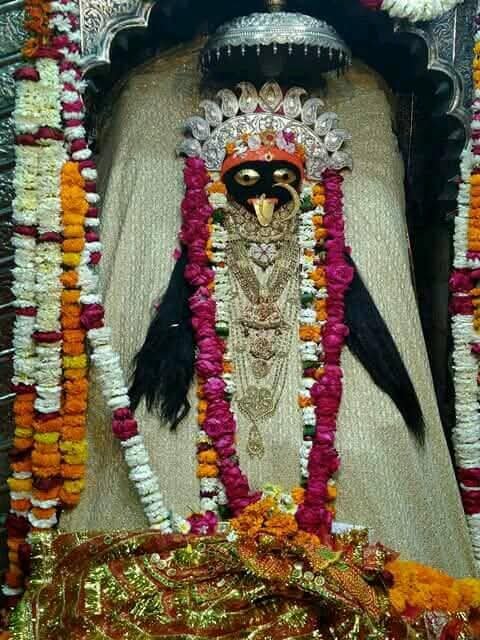
The Kalika Mai temple at Rani Talab in Rewa was also of great importance. In the princely era, the queen and royal family came here for regular worship. It still hosted a large fair during Navratri and Durga Ashtami.
The Goddess’s adornment, kanya pujan and the akhand jyoti reflected devotees’ deep faith. The Rani Talab area came alive with lamps and devotional music during Navratri.
Shardiya Navratri 2025: start and significance
According to the Hindu calendar, Shardiya Navratri that year was to begin on September 22, 2025, and be celebrated for ten days with devotion and joy. The festival ran from the Pratipada to the Dashami of the Shukla Paksha of Ashwin month.
During the nine days, nine forms of Goddess Durga were to be worshipped: Shailputri, Brahmacharini, Chandraghanta, Kushmanda, Skandamata, Katyayani, Kalaratri, Mahagauri and Siddhidatri.
Auspicious timings for ghatasthapana and kalash sthapana
That Navratri had three main muhurats for ghatasthapana.
1. First muhurat: 6:09 am to 8:06 am
2. Second muhurat: 9:11 am to 10:43 am
3. Third muhurat (Abhijit): 11:49 am to 12:38 pm
In addition, Shukla Yoga was to last all day until 7:58 pm. The Kanya Lagna muhurat from 6:09 am to 8:06 am was considered especially fruitful.
Significance of kalash sthapana and mantra
Kalash sthapana was the most important ritual of Navratri and was considered a symbol of a household’s prosperity, happiness and peace.
At the time of installation, this mantra was recited:
Om aa jighra kalasham mahyam tva vishantvindavah.
Punarurja ni vartasva sa nah sahasram dhukshvorudhara payasvati punarma vishatadayih.
Special yogas in Shardiya Navratri 2025
Several rajyogas were forming during that Navratri.
Mahalakshmi Yoga, Surya Grahan Yoga, Samsaptak Yoga, Shadashtak Yoga, Gajalakshmi Yoga and Navpancham Yoga.
According to astrologers, this period would be highly auspicious and fruitful for certain zodiac signs.
Navratri traditions of the Vindhya region
In Rewa and Govindgarh, Navratri was not only religious but also a symbol of cultural heritage.
1. Akhand jyoti
During Navratri, an akhand jyoti was lit in homes and temples. It was regarded as a symbol of Goddess Durga’s grace and power.
2. Devi jagran and bhajan sandhya
Bhajans, kirtans and devi jagran were held through the night, with devotees absorbed in songs to the Goddess to the tune of dholak, manjira and harmonium.
3. Garba and cultural events
Garba and dandiya had also become popular in Rewa, Satna and nearby areas. Young people took part enthusiastically, seeing it as a blend of devotion and joy.
4. Fairs and social events
Large fairs were held at Govindgarh and Rani Talab during Navratri. Shops, swings and cultural stages made the atmosphere festive.
Navratri festival at Maa Khandho Kalika Mai
Special rituals were held here during Navratri:
Ghatasthapana and recitation of the Durga Saptashati
Kanya pujan and bhandara
Special adornment and jhanki darshan
Ramlila and cultural performances
Chief priest Sanjay Budholiya said the temple was so full of enthusiasm in these days that the whole town was steeped in devotion to the Goddess.
Potential for religious tourism
Govindgarh Fort, natural waterfalls and the Kalika Mai temple together could make the area an important religious tourism centre. Rewa’s Rani Talab was also a unique example of faith and beauty. If the government and society developed these sites together, the region could gain a special national identity.
Maa Khandho Kalika Mai of Govindgarh and Kalika Mai at Rewa’s Rani Talab were living symbols of faith, tradition and history. The services, traditions and folk culture connected with them were not only the identity of the Vindhya region but also a source of inspiration for the whole Hindu society.
Shardiya Navratri 2025 was to begin with auspicious yogas and special muhurats. The festival was not only an occasion for worship but a time when society came together to celebrate power, devotion and culture.