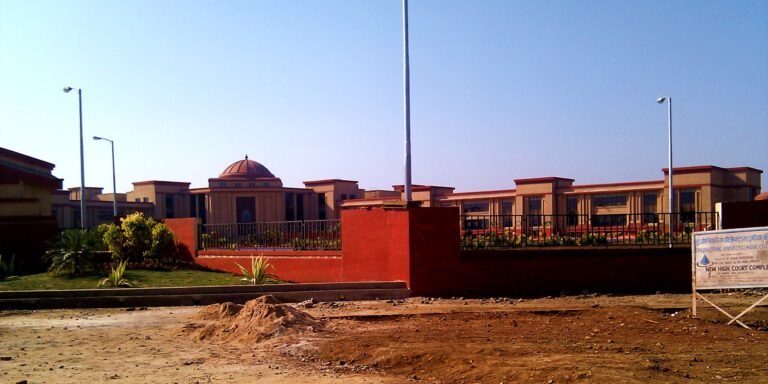
MP High Court Tells State Bar Council to Frame Minimum Stipend Rules for Junior Lawyers
A single bench of the Madhya Pradesh High Court has directed the State Bar Council to draw up guidelines within six months on a minimum stipend for junior advocates, according to law reports.

The Madhya Pradesh High Court has directed the State Bar Council to frame guidelines on a minimum stipend for junior advocates, after a young lawyer appearing in a case told the judge she was not being paid. The order was passed by a single bench of Justice Vishal Dhagat in Vipin Pandey v. Rani Durgavati University, Jabalpur, a service matter. SCC Online, which dates the order September 28, 2026, and Bar & Bench both reported the direction.
According to the reports, the issue came up while the court was hearing a request for an adjournment. The junior counsel for the petitioner said the arguing lawyer was not available. The judge asked her whether she received a stipend, and she answered that she did not.
The court then referred to a circular of the Bar Council of India dated October 15, 2024. As described by the reports, the circular asked State Bar Councils to ensure that junior advocates receive a minimum stipend for at least three years from their engagement, and recommended Rs 20,000 a month in urban areas and Rs 15,000 in rural areas. SCC Online reported that, because the circular is only recommendatory, the court held that a binding guideline at the state level was needed. Bar & Bench reported that the court said the State Bar Council, as a regulator, carries a heavy burden to ensure juniors can meet expenses and transport costs.
The court directed the Madhya Pradesh State Bar Council to consult the High Court Bar Association and the High Court Advocates' Bar Association and to lay down a minimum stipend guideline for junior advocates covering three years of practice, with separate treatment for urban and rural areas. The authorities were asked to decide on issuing the guidelines within six months, according to SCC Online.
The order also asks the Bar Council to hold an inquiry into why five advocates involved in the case were not paying a stipend to the junior counsel who appeared before the court. The reports describe this only as an inquiry and do not mention any finding against the advocates, who should be presumed to have acted properly unless and until an inquiry says otherwise. In addition, the Bar Council and the two Bar Associations have been told to ensure that all junior advocates receive a stipend for work done for their seniors. A copy of the order is to go to all three bodies for compliance, and the case itself was adjourned.
SCC Online noted that a similar issue was dealt with in 2024 by the Madras High Court, which directed its State Bar Council to take steps so that senior advocates pay their juniors a monthly stipend. The Madhya Pradesh direction is framed for junior advocates generally, so it would apply across the state once the guidelines are issued. Neither report says what amount the Bar Council will fix.