Singrauli: adulterated sweets feared as food safety department was limited to sampling
A report alleged sweets of doubtful purity were being sold across Singrauli during the festival season, while the food safety department had only taken samples and not made test reports public.
A gang selling ‘sweet poison’ in the name of sweets had become active in Singrauli district, the report alleged. It had opened shops in all small and big market areas of the district. A complete scheme to fleece customers was said to be under way at these sweet shops, luring buyers with attractive shops and colourful, shiny sweets. The reality, it said, was that Singrauli district did not produce as much milk as the amount of sweets these shops sold, so where did they get milk and khoya? That was a big question. If milk was brought from other districts, the quality of that milk and khoya was also in doubt. Meanwhile, the food safety department was limited to taking samples from these shops. It was the festival season; sweets had been bought in large quantities on Raksha Bandhan and the whole month was full of festivals, so purchases would continue all month, yet the food safety department was not ready to say when the purity test reports would arrive.
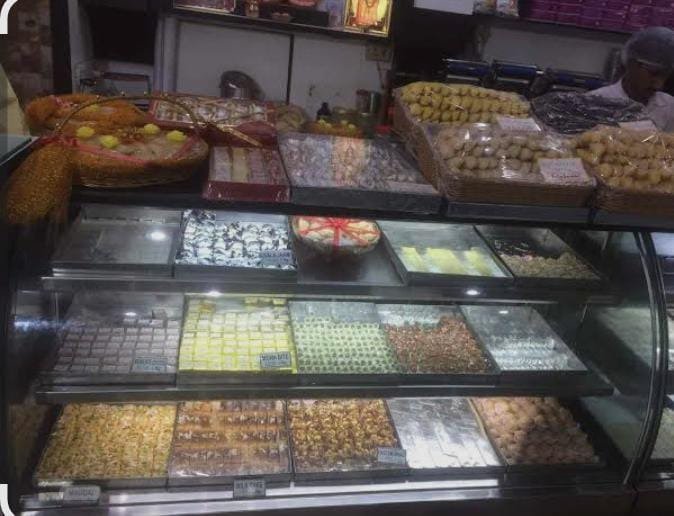
How the ‘sweet poison’ is prepared
Maximum adulteration in milk and khoya
Milk and khoya were used most in making sweets, so these were the items most adulterated. Urea, washing powder, detergent, colour or vegetable ghee was added to milk.
To make fake khoya, inferior milk powder, lime, chalk, refined flour, sweet potato, water chestnut flour or potato were used. After fat was removed, refined oil and detergent were added to give smoothness.
Fake silver leaf
The practice of applying silver leaf to make sweets attractive had been adopted. Aluminium was mixed into the silver leaf, which was harmful to health.
Colour and fragrance can be deadly
Dangerous chemical colours were added to sweets to make them look attractive, and synthetic or harmful chemicals were added for fragrance. With continued consumption, these could even be fatal.
Food safety department limited to sampling
The food safety department was limited to sampling to check adulteration at these sweet shops. Samples were taken from some sweet shops in the district before Raksha Bandhan, but nothing was known up to that date about the purity test reports. Moreover, samples of sweets were taken and sent to laboratories every year, but the laboratory reports were not made public.
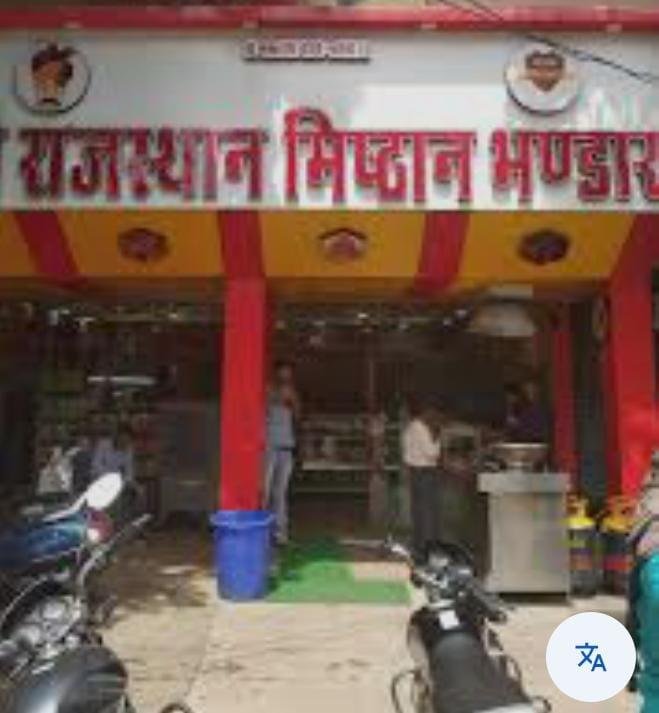
Rajasthan Mishthan in Deosar under suspicion
Rajasthan Mishthan, operating in the Deosar market of the district, had been raided recently and its godown sealed, but it had again been given open permission to sell sweets. In such a situation, fears of adulteration during the festival season were being expressed. Although the food safety department had sent a sample, it would not have been right to trust the shop operator until the report arrived.