Three Tigresses From Bandhavgarh to Be Shifted to Chhattisgarh’s Achanakmar in November
Chhattisgarh plans to bring three tigresses from Bandhavgarh Tiger Reserve in Madhya Pradesh to Achanakmar Tiger Reserve in November, after approval from the NTCA, to grow its tiger numbers and improve genetic diversity.
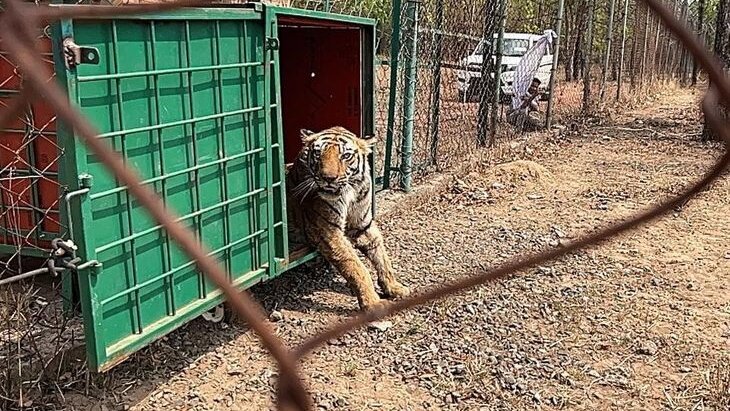
Chhattisgarh plans to bring three tigresses from the Bandhavgarh Tiger Reserve in Umaria district of Madhya Pradesh to its Achanakmar Tiger Reserve, to increase the tiger population and improve genetic diversity. The report was published on September 3, 2026.
After the monsoon, a forest department team is to travel to Bandhavgarh in November to select the tigresses and carry out the transfer. They will be moved through Katni, Jabalpur and Bilaspur. For safety, they will first be kept in an enclosure for a few days, then fitted with radio collars and released into the open forest so that their movements can be tracked.
The National Tiger Conservation Authority and the state government have approved the plan. Forest Minister Kedar Kashyap said all formalities are complete.
Achanakmar covers 914.018 square kilometres. It borders Mungeli and Bilaspur districts in Chhattisgarh and Dindori and Anuppur districts in Madhya Pradesh, and it connects to the Kanha–Achanakmar corridor and the Guru Ghasidas–Tamor Pingla area.
The tiger count is carried out every four years. The 2022 count recorded 18 tigers at Achanakmar, while the forest department now estimates about 35.
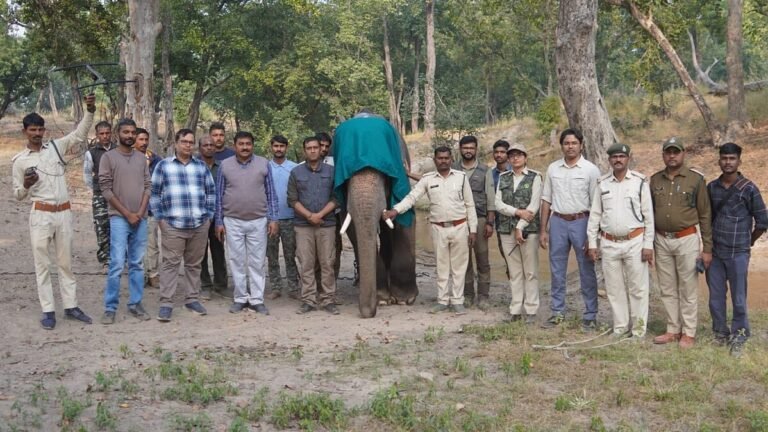
The report also recalls earlier wildlife efforts in the state, including five trained kumki elephants brought from Karnataka in January 2018 to reduce human–elephant conflict, and wild buffaloes brought from Assam's Manas National Park in 2020 and 2023.
Bandhavgarh in Umaria district is among the best-known tiger habitats in the country, and transfers from it help reserves elsewhere build up their populations.
The movement of big cats between reserves needs permissions, health checks and a careful plan for release and monitoring, which is why approval from the national tiger authority is a key step. Wildlife experts generally say that bringing in animals from a reserve with a healthy population can strengthen the gene pool of a smaller one, provided the habitat can support them.